Simple Ways to Personalize Your Workspace
A workspace should do more than hold your computer and supplies. It should support the way you work and feel comfortable enough for long periods of focus. Whether you work from home, study, or use a shared office, small changes can make your space feel more personal and practical.
Personalizing your workspace does not require expensive furniture or a complete redesign. A few thoughtful updates can improve the look, function, and atmosphere of your desk. Start with the ideas below and choose the changes that suit your needs, style, and budget.
Start With a Clean Foundation
Before adding decorations or accessories, clear away items you no longer use. A clean surface makes it easier to see what is working and what needs to change.
Remove old papers, unused supplies, and items that do not belong in the space. Sort the things you want to keep into simple groups, such as:
– Daily essentials
– Occasional supplies
– Personal items
– Items that can be stored elsewhere
Once the space is clear, wipe down the desk, shelves, keyboard, and other frequently used surfaces. This gives you a fresh starting point and helps you make better decisions about what to add.
Choose a Color Direction
Color is one of the easiest ways to give a workspace a personal feel. You do not need to repaint the room or replace every accessory. Instead, choose one main color and one or two complementary shades.
For a calm and simple look, consider soft neutrals, muted greens, or gentle blues. If you prefer a more energetic environment, add brighter colors through desk accessories, artwork, or storage containers.
You can introduce color with:
– A desk mat
– A small lamp
– File folders
– A calendar
– A chair cushion
– Wall art
– A plant pot
Keeping the color palette limited can make the space feel coordinated rather than crowded.
Improve Your Lighting
Good lighting can change the entire feel of a workspace. If possible, place your desk near a window so you can benefit from natural light during the day. Position your screen to reduce glare, and adjust blinds or curtains as needed.
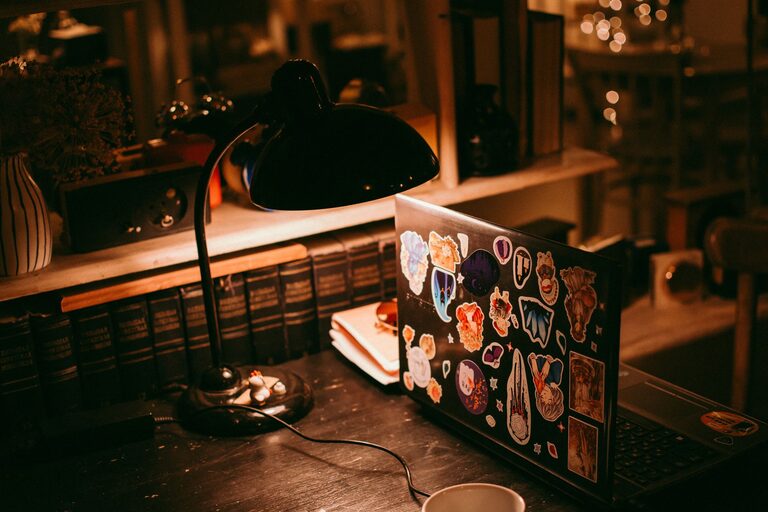
Add a desk lamp for cloudy days, evenings, or areas with limited natural light. Choose a lamp that fits the size of your desk and can be adjusted to direct light where you need it.
You can also personalize the lighting with:
– A lamp in your favorite color
– A warm-toned bulb for a softer atmosphere
– A simple shade that matches your decor
– Small decorative lights for visual interest
Avoid using too many different light sources. A combination of natural light, general room lighting, and one focused desk lamp is often enough.
Add Personal Items With Purpose
Personal objects can make a workspace feel welcoming, but too many items can create visual clutter. Choose a few pieces that are meaningful or useful.
Consider displaying:
– A favorite photograph
– A small piece of artwork
– A travel souvenir
– A framed quote
– A handmade object
– A small collection of books
Try to keep personal items within a specific area, such as one corner of the desk or a nearby shelf. This creates a sense of order while still allowing your personality to show.
If you share a workspace, use items that are easy to move or store. This makes it simpler to change the arrangement when needed.
Bring in Natural Elements
Natural elements can add warmth and texture to a workspace. A small houseplant is a popular choice, but there are other options if you do not have much space or time for plant care.
You might add:
– A low-maintenance plant
– A small vase of dried flowers
– A wooden tray
– A stone paperweight
– A woven basket
– Natural wood accessories
Choose items that match the amount of care you can provide. If you travel often or prefer a maintenance-free setup, artificial plants or dried arrangements can offer a similar decorative effect.
Make Storage Part of the Design
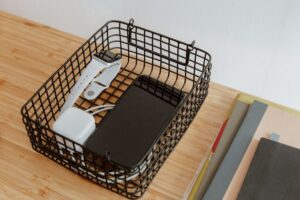
Storage does not have to be hidden or unattractive. Use containers, trays, and organizers that add style while keeping supplies under control.
Look for storage options that match your chosen color palette or material preferences. For example, fabric bins can create a soft look, while metal containers may suit a modern workspace.
Useful storage ideas include:
– A tray for notebooks and loose papers
– A cup for pens and pencils
– Small boxes for cables
– A drawer organizer for small supplies
– Wall-mounted shelves for books
– A file holder for active documents
Keep frequently used items within easy reach and move less-used supplies to drawers, cabinets, or higher shelves. This keeps the desktop open and makes daily tasks easier.
Customize Your Desk Layout
The position of your equipment and supplies affects how comfortable and efficient the workspace feels. Place the items you use most often close to your dominant hand or within easy reach.
A simple layout might include:
– Your computer in the center
– A notebook on one side
– Writing tools in a small holder
– A drink on a stable coaster
– A lamp positioned to provide focused light
– Personal decorations placed away from your main work area
Try different arrangements for a few days before making a final decision. You may discover that a small adjustment, such as moving your notebook or raising your monitor, makes the space feel more natural.
Personalize Your Technology
Technology can be part of your workspace style too. Choose a wallpaper that matches your personality without making the screen difficult to read. A simple image, pattern, or calming color can create a more polished look.
You can also personalize your setup with:
– A keyboard in a preferred color
– A matching mouse and desk mat
– Cable clips or sleeves
– A phone stand
– A simple monitor stand
– A custom folder organization system
Keep cords under control by grouping them and securing extra length. A tidy cable setup can make the entire workspace look cleaner.
Add Comfort Without Losing Style
Comfort is an important part of personalization. Choose accessories that support the way you work while fitting the overall look of the space.
A supportive chair, comfortable desk mat, or soft footrest can make a noticeable difference. If you spend time reading or writing, consider adding a small cushion or adjustable lamp.
You can also keep a light layer nearby for cooler rooms or choose a fabric desk accessory that adds warmth. Focus on items that are practical and easy to maintain.
Refresh the Space Regularly
Your workspace does not have to stay the same all year. Small seasonal updates can keep it feeling fresh without requiring a major investment.
You might change:
– Desk accessories
– Artwork
– Plant pots
– Colors
– Storage containers
– A calendar or planning board
At the end of each month, take a few minutes to remove clutter and review what you use most. A workspace that changes with your routines is more likely to remain useful and enjoyable.
Create a Space That Feels Like Yours
The best workspace reflects your habits, preferences, and daily needs. Start with practical improvements, then add personal touches that make you feel comfortable and welcome.
Focus on balance. Keep essential tools easy to reach, use storage to control clutter, and choose decorations that bring you enjoyment without taking over the desk. With a few simple changes, you can create a workspace that feels organized, personal, and ready for the work ahead.