Beginner Tips for Backyard Birdwatching
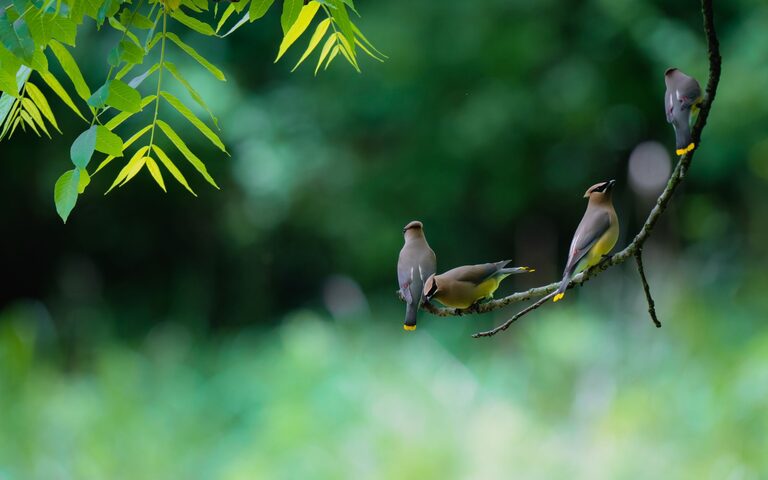
Backyard birdwatching is an easy, rewarding hobby that can be enjoyed almost anywhere. You do not need expensive equipment or expert knowledge to get started. With a quiet spot, a little patience, and a few helpful tools, you can begin noticing the birds that live around your home.
Birdwatching offers a simple way to spend more time outdoors and pay attention to seasonal changes. You may see familiar visitors such as robins, sparrows, cardinals, finches, or blue jays. Over time, you may also discover less common species passing through your yard.
Start With the Birds You Already Have
Before buying equipment or adding feeders, spend a few minutes observing your yard. Look from a window, porch, or shaded outdoor area and notice where birds gather.
Pay attention to:
– Trees and shrubs where birds rest
– Open areas where birds search for food
– Water sources such as puddles or garden ponds
– Fences, wires, and branches used as perches
– Times of day when birds are most active
Early morning is often a productive time for birdwatching because many birds are feeding and moving around. However, birds can appear throughout the day, so do not worry if mornings are not convenient.
Keep a notebook or use a simple notes app to record what you see. Write down the date, location, bird size, colors, behavior, and sounds. These details can help you identify a bird later.
Choose a Comfortable Observation Spot
A good observation spot should be quiet, comfortable, and close enough for you to see birds clearly. You might sit near a window, on a patio, or in a garden chair.
Try to avoid sudden movements and loud noises. Birds are more likely to stay nearby when they feel safe. If you are watching from indoors, turn off lights near the window to reduce reflections. Sitting a short distance away can also help birds behave naturally.
You do not need to hide completely. Move slowly, speak quietly, and give birds time to get used to your presence. With regular observation, you may find that birds become less cautious around your yard.
Use Simple Equipment
You can begin with no equipment at all, but a few basic items can make birdwatching easier.
Binoculars
A pair of binoculars helps you see details without getting too close. For beginners, compact binoculars are often comfortable and easy to use. Practice focusing on nearby objects before trying to follow moving birds.
Start by locating the bird with your eyes. Then, without moving your head too much, raise the binoculars to your eyes. This simple habit makes it easier to keep a bird in view.
Field Guide or Birding App
A local field guide can help you compare bird shapes, colors, and markings. Many birding apps also include photos, maps, and sound recordings.
Choose a guide that covers your region. Birds vary widely by location, and a local resource will usually be more useful than a general guide with hundreds of unfamiliar species.
Notebook
A notebook is useful for keeping a personal bird list. Include observations such as:
– Date and time
– Weather conditions
– Location
– Bird description
– Number of birds
– Behavior and sounds
You do not need to identify every bird immediately. A careful description is valuable, even when the name is unknown.
Attract Birds With Food and Water
Bird feeders can bring birds closer to your home, but they are not required. Native plants, trees, and shrubs may provide food and shelter naturally.
If you use feeders, choose a location that is easy to see from a window but offers nearby cover. Birds appreciate trees or shrubs where they can wait and watch for danger. Avoid placing feeders so close to windows that birds may collide with the glass.
Different foods attract different birds. Common options include:
– Black oil sunflower seeds
– Nyjer seeds for some finches
– Safflower seeds
– Suet in suitable weather
– Nectar for hummingbirds
Always keep feeders clean and dry. Replace old or damp food, and clean feeding areas regularly. A dirty feeder can become less appealing and may create unhealthy conditions for birds.
Fresh water is another helpful addition. A shallow birdbath can attract birds that do not visit feeders. Change the water often and scrub the basin regularly. Place it where birds have a clear view of the surrounding area, while still providing nearby cover.
Make Your Yard Bird Friendly
Birds need more than food. They also need places to rest, nest, and shelter from weather.
Consider adding a mix of native plants, low shrubs, and mature trees. Native plants are often well suited to local conditions and can support insects, seeds, berries, and shelter. Letting some leaves remain on the ground can also provide habitat for insects that birds eat.
Avoid making the yard too tidy. A small brush pile, fallen branch, or group of dense shrubs can offer useful cover. If you have pets, keep them away from feeding areas when possible. Outdoor cats can pose a serious risk to visiting birds, so supervised outdoor time is a safer choice.
Learn Bird Identification Step by Step
Bird identification can seem difficult at first, especially when birds move quickly. Start with common species and focus on a few key features.
Look for:
– Overall size and shape
– Main colors and patterns
– Beak shape
– Tail length
– Flight style
– Location in the yard
– Call or song
Instead of trying to memorize every detail, compare the bird with a small number of possible matches. For example, note whether it is larger or smaller than a robin, whether it feeds on the ground, and whether it has a long or short tail.
Bird behavior can provide important clues. A bird hopping along the lawn may be searching for insects, while a bird clinging to a tree trunk may be looking for food in the bark. Context often helps narrow down an identification.
Practice Listening
Bird sounds can help you notice birds that are hidden in trees or shrubs. You do not need to learn every song at once. Begin by matching a sound to a bird you can see.
Listen for differences in:
– Number of notes
– Rhythm
– Pitch
– Repeated phrases
– Loudness and length
Try recording a short sound with your phone, if local rules and conditions allow. You can compare it with a trusted field guide or birding app later. Avoid playing bird calls to attract birds frequently, as repeated sounds may disturb them.
Be Patient and Respectful
Birdwatching rewards patience. You may spend several minutes watching an empty feeder before a bird appears. Stay still, observe quietly, and give yourself time to notice small movements.
Respect birds and their habitat by keeping a comfortable distance from nests and young birds. Never handle eggs, nestlings, or injured wildlife unless instructed by a qualified local wildlife professional. Avoid entering restricted areas or disturbing nesting sites.
It is also helpful to follow local guidance about feeding wildlife. Some communities have rules about feeders, and seasonal conditions may affect which foods are appropriate.
Build a Simple Birdwatching Routine
A regular routine will help you improve quickly. Set aside 10 to 20 minutes a few times each week and visit the same observation spot. Notice what changes from one day to the next.
You may begin to recognize:
– Seasonal visitors
– Birds that stay year-round
– Regular feeding times
– Different calls
– Changes in bird behavior during weather shifts
Keep a running list of the species you identify. Celebrate small discoveries, such as learning one new bird call or noticing a bird you have never seen before.
Backyard birdwatching is about curiosity, not perfection. Start with what you have, observe carefully, and let your knowledge grow naturally. With a little time and attention, even a small yard can become an engaging window into the world of birds.