Beginner Tips for Composting at Home
Composting is a simple way to turn everyday food scraps and yard waste into a useful soil amendment. Instead of sending organic materials to the trash, you can allow them to break down naturally and create compost for gardens, flower beds, houseplants, and lawns.
Starting a compost pile does not require a large yard or special equipment. With the right materials, a little moisture, and regular attention, beginners can build a healthy compost system at home.
Choose a Composting Method
The best composting method depends on your available space, the amount of organic waste you produce, and how much time you want to spend managing the pile.
Outdoor Compost Bin
An outdoor bin is a good choice if you have a yard. You can purchase a compost tumbler or stationary bin, or create a simple pile in a suitable area. A covered bin can help keep materials contained and protect the compost from heavy rain.
Place the bin on level ground with good drainage. A location with partial shade is often helpful because it prevents the compost from drying out too quickly.
Indoor Compost Collection
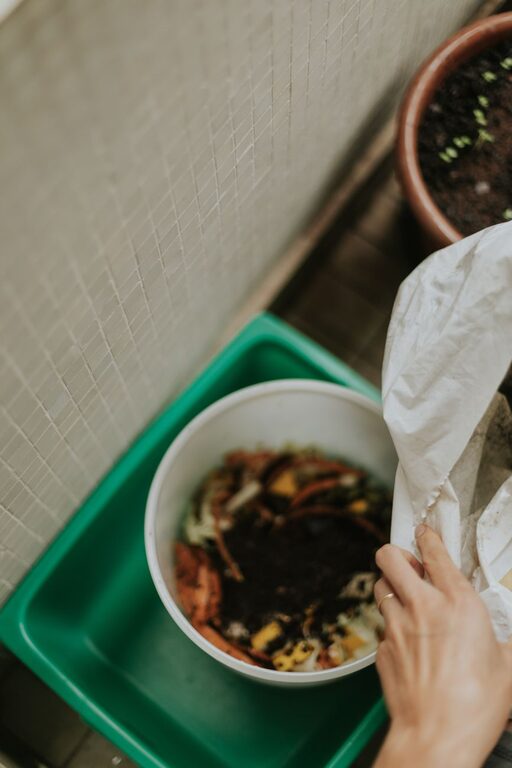
Even if you do not have outdoor space, you can collect food scraps in a small container and take them to a community composting site or local collection program. Choose a container with a secure lid, and empty it regularly to prevent odors.
Some people also use a worm composting system, known as vermicomposting. This method uses special composting worms to break down food scraps in a compact indoor or outdoor bin.
Learn the Two Main Material Groups
Successful composting depends on combining different types of organic materials. These materials are often called “greens” and “browns.”
Green Materials
Green materials are usually moist and rich in nitrogen. They help support the organisms that break down the compost. Common examples include:
– Fruit and vegetable scraps
– Coffee grounds and paper filters
– Fresh grass clippings
– Tea leaves and paper tea bags
– Fresh plant trimmings
– Crushed eggshells
Brown Materials
Brown materials are generally dry and rich in carbon. They provide structure and help air move through the pile. Examples include:
– Dry leaves
– Small twigs
– Plain shredded paper
– Uncoated cardboard
– Paper egg cartons
– Straw
– Untreated sawdust
A simple starting guideline is to use about two or three parts brown materials for every one part green material. You do not need to measure every addition. If the pile smells or becomes too wet, add more browns. If it is dry and slow to break down, add more greens and a little water.
Prepare Materials Before Adding Them
Smaller pieces break down faster than large ones. Chop fruit and vegetable scraps into smaller pieces, tear cardboard into strips, and cut large branches into short sections.
You do not need to prepare every item perfectly, but reducing the size of bulky materials can help the pile heat up and decompose more evenly.
Keep a container in your kitchen for daily scraps. A small pail, bowl, or covered compost container works well. Add a layer of brown material to the container if it becomes damp or develops an odor.
Keep the Compost Moist but Not Soaked
Moisture is important because the organisms in the compost need water to work. The pile should feel similar to a wrung-out sponge.
If the compost is too dry, sprinkle it with water and mix the materials. If it is too wet, add dry leaves, shredded cardboard, or plain paper. Avoid adding large amounts of water at once, especially if the bin has poor drainage.
A lid or cover can help control moisture, but make sure the compost still receives enough air.
Provide Air by Turning the Pile
Compost needs oxygen to break down efficiently. Without enough air, the pile may become compacted and produce unpleasant odors.
Use a garden fork, shovel, or compost aerator to mix the materials every week or two. You do not need to turn the pile every day. Regular mixing helps distribute moisture, introduce oxygen, and combine newer materials with older ones.
If you use a compost tumbler, rotate it according to the manufacturer’s instructions. Avoid packing the container too tightly, since compressed materials can limit airflow.
Know What to Add and What to Avoid
Many plant-based materials can go into a home compost pile, but some items can attract pests, create odors, or break down slowly.
Suitable Materials
You can generally compost:
– Fruit and vegetable scraps
– Coffee grounds and filters
– Tea leaves and plain paper tea bags
– Yard trimmings
– Dry leaves
– Plain paper and cardboard
– Crushed eggshells
– Small amounts of untreated wood
Materials to Leave Out
For a basic backyard compost pile, avoid adding:
– Meat, fish, and bones
– Dairy products
– Oily or greasy foods
– Pet waste
– Diseased plants
– Weeds with mature seeds
– Coal or charcoal ash
– Glossy or heavily coated paper
– Plastics, glass, and metal
Some specialized composting systems can handle materials that are not suitable for a basic pile. When in doubt, check the instructions for your bin or local composting program.
Watch for Common Problems
A compost pile is a living system, so small changes may be needed as it develops.
Bad Odor
A strong, unpleasant smell often means the pile is too wet, too compact, or low in brown materials. Add dry leaves or shredded cardboard and mix the pile to improve airflow.
Slow Decomposition
A pile may break down slowly if it is too dry, contains large pieces, or lacks green materials. Add a little moisture, mix the contents, and include fresh fruit and vegetable scraps or grass clippings.
Cool weather can also slow the process. Decomposition usually happens more quickly when temperatures are warmer.
Flies or Pests
Cover fresh food scraps with a layer of brown materials. Use a secure bin with a lid, and avoid adding meat, dairy, and greasy food. Keeping the pile balanced and covered can help discourage unwanted visitors.
Know When Compost Is Ready
Finished compost is dark, crumbly, and earthy-smelling. Most of the original materials should no longer be recognizable, although small twigs or eggshell pieces may remain.
Depending on the method, materials, weather, and amount of attention, compost may take several months or longer to mature. Do not worry if the process takes time. A slower pile can still produce excellent compost.
Before using it, remove any large pieces that have not broken down and return them to the bin.
Use Finished Compost in the Garden
Add finished compost to garden soil before planting, spread a thin layer around established plants, or mix a small amount into potting soil. Compost helps improve soil structure and supports moisture retention.
Use compost as a soil amendment rather than filling a container entirely with it. A balanced growing mix is usually better for plant roots than pure compost.
Start Small and Stay Consistent
The easiest way to begin is to choose a simple bin, collect plant-based scraps, and add plenty of dry materials. Do not worry about creating a perfect pile from the first day. Composting improves with observation and practice.
Pay attention to moisture, airflow, and the balance between green and brown materials. With a few regular habits, your kitchen scraps and yard waste can become a valuable resource for your home garden.