Quick Ideas to Make Your Mornings Smoother

Mornings do not have to feel like a race against the clock. A few small changes can make it easier to get ready, find what you need, and leave the house on time. The goal is not to create a perfect routine. It is to build a simple rhythm that works for your schedule and lifestyle.
Here are practical ideas to help make your mornings calmer, more organized, and easier to manage.
Start the Night Before
One of the easiest ways to improve your morning is to move a few tasks to the evening. Even 10 minutes of preparation can save time and reduce decisions the next day.
Choose Your Clothes
Decide what you will wear before going to bed. Place your clothes together in one spot, including shoes and any accessories you plan to use. This keeps you from searching through drawers or changing outfits several times.
If your mornings vary, create a few reliable outfit combinations. Having easy choices ready can make busy days much simpler.
Pack Bags and Essentials
Gather the items you need before the morning begins. Depending on your routine, this may include:
– Work or school bags
– Keys and wallet
– Lunch or snacks
– Water bottle
– Chargers
– Documents
– Gym clothes
– Items needed for errands
Keep these things near the door or in one regular location. A designated spot makes it easier to check that you have everything before leaving.
Prepare Breakfast Basics
You do not need to prepare an elaborate breakfast in advance. Simple steps can help, such as setting out a bowl, filling the coffee maker, or placing breakfast ingredients together in the refrigerator.
You can also prepare easy options ahead of time, including overnight oats, sliced fruit, hard-boiled eggs, or breakfast sandwiches. Choose foods that fit your preferences and can be prepared without much effort.
Create a Simple Morning Checklist
A short checklist can help you move through your routine without constantly wondering what comes next. Keep it realistic and focused on essential tasks.
A basic checklist might include:
- Get dressed
- Eat breakfast
- Check the day’s schedule
- Gather bags and essentials
- Tidy one small area
- Leave by a set time
You can write the list on paper, place it on the refrigerator, or use a notes app. Avoid making it too detailed. The checklist should support your morning, not become another task to manage.
Give Each Task a Time Block
Mornings often feel rushed because small tasks take longer than expected. Assigning a general time block to each part of your routine can give you a clearer sense of timing.
For example:
– Getting ready: 20 minutes
– Breakfast: 10 minutes
– Final check: 5 minutes
– Travel preparation: 5 minutes
You do not need to track every minute precisely. The purpose is to understand how much time your routine actually requires. If you regularly run out of time, consider starting 10 or 15 minutes earlier rather than trying to move faster.
It can also help to set a “ready to leave” time instead of focusing only on your wake-up time. This gives your morning a clear finish line.
Put Important Items in One Place
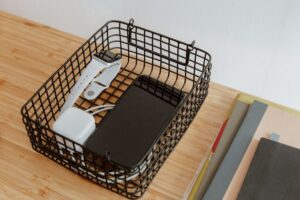
Searching for keys, glasses, or a phone can turn a calm morning into a stressful one. Create a small launch area near the door where you keep the items you take with you most often.
A tray, basket, hook, or shelf can hold:
– Keys
– Wallet
– Sunglasses
– Transit card
– Reusable bags
– Work badge
Return these items to the same place each day. The habit may feel minor, but it can save time and prevent unnecessary searching.
Make Breakfast Easier
Breakfast does not need to be complicated to be useful. Focus on easy choices that you enjoy and can prepare consistently.
Keep a few dependable options available, such as:
– Toast with fruit
– Yogurt and granola
– Oatmeal
– A smoothie
– Eggs and toast
– Cereal with sliced fruit
If your mornings are especially busy, create a short list of breakfast choices for the week. This reduces the need to decide what to eat each day.
You can also keep a backup option on hand for mornings when plans change. A shelf-stable snack, piece of fruit, or prepared item can help you avoid skipping breakfast when you are short on time.
Limit Morning Decisions
Too many choices can slow you down. A simple routine can help you make fewer decisions during the first part of the day.
Consider creating a few defaults:
– A regular breakfast on weekdays
– A small rotation of outfits
– One place for important items
– A set order for getting ready
– A short list of morning tasks
This does not mean every morning must be identical. It simply gives you a reliable starting point. You can leave room for variety on days when you have more time.
Keep Your Phone From Taking Over
Checking messages or social media first thing can make the morning feel rushed. If possible, complete a few essential tasks before opening apps that may distract you.
You might keep your phone away from the bed, use a separate alarm clock, or turn off nonessential notifications overnight. Another option is to set a specific time for checking messages after you are dressed and ready.
The goal is not to avoid your phone completely. It is to make sure your morning schedule guides your attention instead of unexpected notifications.
Add a Small Reset
A quick reset can make your home feel more organized before the day begins. Choose one small task, such as:
– Making the bed
– Putting dishes in the sink
– Wiping the kitchen counter
– Opening the curtains
– Returning items to their proper places
Keep this task short and optional. A morning reset should not become a full cleaning session. Even a few minutes can make your space feel more welcoming when you return later.
Build in Extra Time
Unexpected delays are part of everyday life. A misplaced item, longer preparation time, or change in travel conditions can affect your schedule.
Adding a small buffer gives you more flexibility. If you usually need 30 minutes to get ready, allow 35 or 40 minutes when possible. The extra time can be used to handle surprises, review your schedule, or simply leave without rushing.
If you travel to work, school, or appointments, check your route before leaving when conditions are likely to change. A quick review can help you choose a better departure time.
Improve One Habit at a Time
Trying to change your entire morning at once can be difficult. Start with one improvement that solves a common problem.
For example:
– If you lose your keys, create a key station.
– If choosing clothes takes too long, plan outfits at night.
– If breakfast is rushed, prepare a few simple options.
– If you often leave late, set a clear departure time.
– If your phone is distracting, delay notifications until later.
Use the new habit for several days, then decide whether it is helping. Keep what works and adjust what does not. A smoother morning usually comes from a few practical changes repeated consistently, not from a complicated routine.
Keep Your Routine Flexible
The best morning routine is one that fits real life. Some days will be busy, and others will start more slowly. Create a full routine for ordinary days and a shorter version for mornings when time is limited.
Your quick routine might include getting dressed, eating something simple, collecting your essentials, and leaving on time. Having a backup plan makes it easier to stay organized when your usual schedule changes.
With a little preparation and a few dependable habits, mornings can become less hurried and more predictable. Start small, make your routine easy to repeat, and adjust it as your needs change.