How to Start a Small Herb Garden Indoors
Growing herbs indoors is a simple way to add fresh flavor to everyday meals, even if you do not have a yard or balcony. A small windowsill, shelf, or kitchen corner can provide enough space for several useful herbs.
With the right containers, light, soil, and watering routine, you can create a healthy indoor herb garden that is easy to maintain. This guide explains how to choose herbs, set up your growing space, and care for your plants throughout the year.
Choose the Right Herbs
Start with herbs that grow well in containers and are useful in your cooking. Some herbs are more forgiving than others, making them good choices for beginners.
Good Herbs for Beginners
Consider starting with:
– Basil: Grows quickly and is useful in sauces, salads, and sandwiches.
– Chives: Compact, hardy, and easy to trim for cooking.
– Parsley: Grows well indoors and can be harvested regularly.
– Mint: Fast-growing and useful in drinks, desserts, and savory dishes.
– Cilantro: Adds fresh flavor to many dishes, although it may grow more quickly than other herbs.
– Thyme: Compact and relatively low-maintenance.
– Oregano: A flavorful herb that grows well with plenty of light.
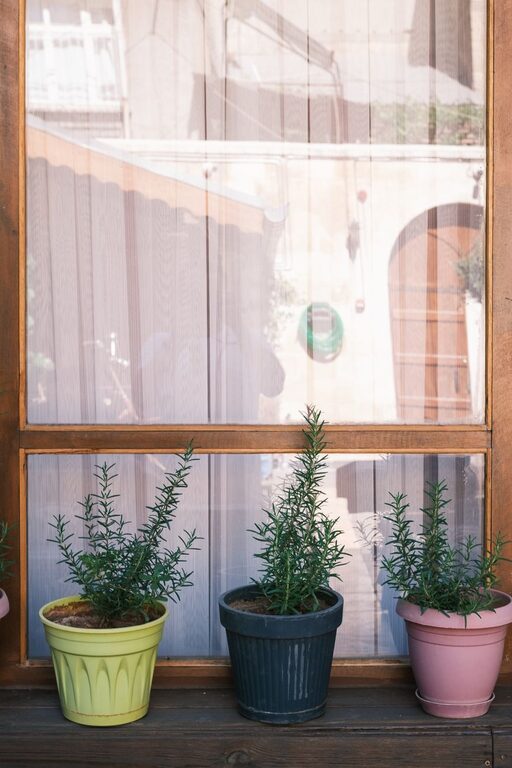
– Rosemary: Fragrant and useful, but it needs good drainage and bright light.
If you are new to indoor gardening, begin with two or three herbs rather than trying to grow everything at once. This makes it easier to learn each plant’s needs.
Select a Suitable Location
Most herbs need several hours of bright light each day. A sunny south-facing window is often the best option in the Northern Hemisphere, although east- or west-facing windows may also work.
Place your garden near a window that receives bright, indirect or direct sunlight. Avoid locations with strong drafts, such as areas next to frequently opened doors or heating and cooling vents. Sudden temperature changes can stress plants.
Most indoor herbs prefer normal household temperatures. Keep them away from very cold windows during winter and avoid placing them directly above radiators or other heat sources.
When Natural Light Is Limited
If your home does not receive enough sunlight, use a small grow light. LED grow lights are widely available and can provide consistent lighting in darker rooms.
Place the light close enough to illuminate the leaves without overheating them. Follow the manufacturer’s instructions, and use a timer to provide a regular day and night cycle. Many herbs grow well with around 12 to 14 hours of light per day, followed by a period of darkness.
Pick the Right Containers
Herbs can grow in individual pots or in one larger container with several sections. Individual pots make it easier to control watering and move plants when needed.
Choose containers with drainage holes in the bottom. These holes allow extra water to escape and help prevent soggy soil, which can damage roots.
Place a saucer or tray under each pot to catch excess water and protect your windowsill or shelf. Empty the saucer after watering if it collects a large amount of water.
Choosing Container Sizes
Small herbs can begin in pots that are about four to six inches wide. Larger or fast-growing herbs may need a deeper container. Rosemary, mint, and parsley usually appreciate more room as they mature.
Avoid choosing an oversized pot for a small plant. A large container holds more moisture, which can make overwatering more likely. Move the herb to a larger pot when the roots fill the current container or begin growing through the drainage holes.
Use Quality Potting Soil
Use a lightweight indoor potting mix rather than soil collected from your yard. Garden soil can be too dense for containers and may contain pests or diseases.
A standard potting mix made for indoor plants is usually suitable for herbs. Look for a mix that drains well while still holding enough moisture for healthy roots.
Fill the container almost to the top, leaving a small amount of space so water does not spill over the sides. Do not pack the soil down firmly. Loose soil allows air and water to move through the root area.
Plant Your Herbs
You can start an indoor herb garden from seeds, young plants, or cuttings.
Starting from Seeds
Seeds are affordable and offer many varieties, but they require patience. Follow the planting depth listed on the seed packet. Some herb seeds need light to germinate, while others should be covered with a thin layer of soil.
Keep the soil lightly moist while the seeds sprout. Once seedlings appear, provide strong light and thin crowded plants so each one has enough space.
Starting with Young Plants
Small herb plants from a garden center are often the easiest choice for beginners. Check the leaves and stems before buying. Choose plants that look full and healthy, without yellow leaves, visible insects, or damaged stems.
Transplant them into clean containers soon after bringing them home. Loosen the outer roots gently, place the plant at the same depth it was growing, and water it lightly.
Water Carefully
The most common indoor herb care mistake is overwatering. Herbs need moisture, but their roots also need air.
Check the soil with your finger before watering. If the top inch feels dry, add water slowly until a little drains from the bottom. If the soil still feels damp, wait another day or two and check again.
Watering needs vary based on the herb, pot size, temperature, and amount of light. Plants in warm, sunny locations may need water more often than those in cooler or darker areas.
Try to water the soil rather than the leaves. Wet foliage can encourage problems, especially when air circulation is limited.
Provide Airflow and Regular Care
Good airflow helps reduce excess moisture and supports healthy growth. Leave a little space between pots instead of placing them tightly together.
Rotate containers every few days so all sides of the plant receive light. This helps prevent stems from leaning toward the window.
Remove yellow or damaged leaves as soon as you notice them. Wipe dust from larger leaves with a soft, damp cloth. Clean leaves can absorb light more effectively.
Inspect your herbs regularly for small insects, sticky spots, or fine webbing. If you notice a problem, separate the affected plant from the others and gently rinse the leaves with water. Early action can help prevent the issue from spreading.
Harvest Herbs the Right Way
Regular harvesting encourages many herbs to produce new growth. Use clean kitchen scissors or pruning shears, and avoid removing more than one-third of the plant at a time.
For basil and mint, trim just above a pair of leaves. This encourages the plant to branch and become fuller. Snip chives close to the base, leaving enough growth for the plant to continue developing.
Harvest herbs in the morning, after any surface moisture has dried. Use them fresh, or dry small amounts by placing the leaves in a well-ventilated area away from direct sunlight.
Common Problems and Simple Solutions
Leggy Growth
Long, thin stems usually indicate that the plant needs more light. Move it closer to a bright window or add a grow light.
Yellow Leaves
Yellow leaves may result from overwatering, poor drainage, or naturally aging foliage. Check the soil moisture and make sure the container has drainage holes.
Slow Growth
Slow growth can be caused by limited light, cool temperatures, or a lack of space. Improve the lighting and consider moving the plant into a slightly larger container if the roots are crowded.
Drooping Leaves
Drooping may mean the plant needs water, but it can also be caused by excess moisture. Check the soil before watering so you can identify the likely cause.
Build a Routine That Works
An indoor herb garden does not require constant attention. Set aside a few minutes each week to check soil moisture, rotate pots, trim plants, and inspect the leaves.
Start small, pay attention to how your herbs respond, and adjust their location or watering schedule as needed. With consistent care, even a compact indoor garden can provide fresh herbs for cooking throughout the year.