Simple Ideas for Making Dinner Cleanup Easier
Dinner cleanup does not have to feel like a second meal to prepare. With a few simple habits, you can reduce the number of dishes, prevent messes from spreading, and finish the kitchen more quickly. The goal is not to keep everything perfectly clean while you cook. Instead, focus on small actions that make the final cleanup easier and more manageable.
Start With a Clear Plan
Cleanup becomes simpler when you know what you will need before cooking begins. Take a minute to read the recipe, gather the ingredients, and think about which tools you can use more than once.
For example, if one cutting board can handle all your vegetables, there may be no need to use a second one. If a mixing bowl will be used for several ingredients, keep it nearby instead of placing it in the sink after the first step.
Choose Recipes With Cleanup in Mind
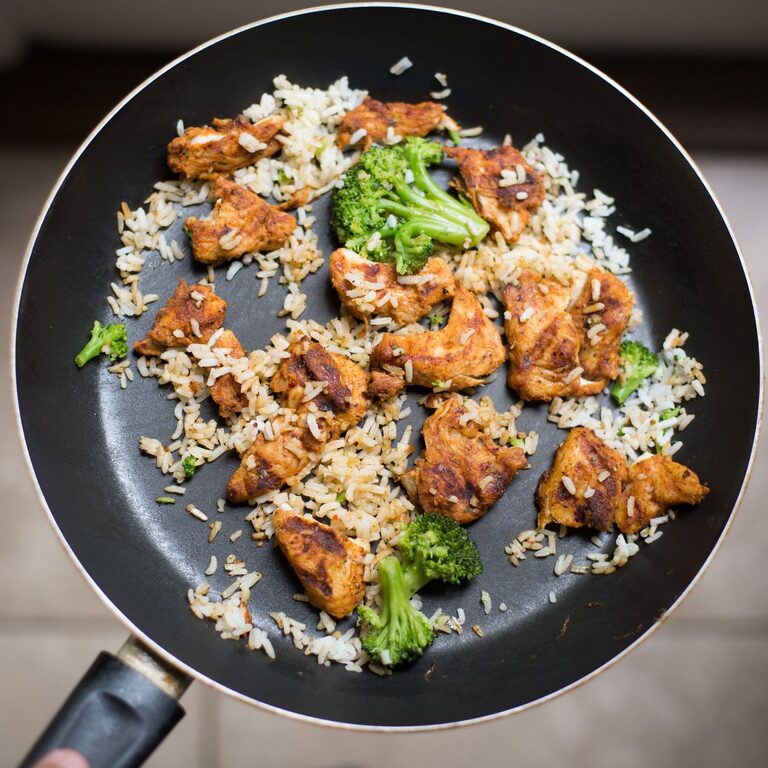
Some meals naturally create fewer dishes than others. One-pan pasta, sheet-pan vegetables, skillet meals, and simple rice bowls can help reduce the number of pots and pans you need.
When planning your weekly meals, include a few recipes that use the same cooking vessel from start to finish. This can give you a lighter cleanup day between more involved meals.
Clean as You Go
Cleaning as you go is one of the most effective ways to make dinner cleanup easier. While food is simmering, roasting, or baking, use that time to wash a tool, wipe the counter, or put ingredients away.
You do not need to stop cooking every few minutes. Look for natural pauses, such as:
- While water is coming to a boil
- While vegetables are roasting
- While a sauce is simmering
- After ingredients have been added to a bowl
- While food rests before serving
Even a few minutes of tidying during cooking can make the final cleanup feel much shorter.
Keep a Scrap Bowl Nearby
Place a bowl or small container next to your cutting board for food scraps, peels, wrappers, and other waste. This keeps the counter neater and reduces trips to the trash or compost bin.
When food preparation is complete, empty the bowl all at once. Then rinse or wash it if needed. A scrap bowl is especially helpful when preparing vegetables, trimming meat, or removing packaging from several ingredients.
Reduce the Number of Dishes
Using fewer dishes is often easier than washing dishes faster. Before reaching for a new bowl, ask whether an item already in use can do the job.
Here are a few practical ways to cut down on dishes:
- Measure several dry ingredients into one bowl when the recipe allows.
- Use a large cutting board instead of several small ones.
- Serve food directly from the cooking pan when it is suitable for the table.
- Use one set of measuring spoons for multiple ingredients.
- Line a baking sheet with parchment paper or foil when appropriate.
- Store leftovers in the same container you plan to refrigerate them in.
Be careful not to overcrowd your workspace. The goal is to use fewer items without making cooking confusing or unsafe.
Soak Difficult Dishes Right Away
Dried food is much harder to remove than fresh residue. As soon as you finish with a pot, pan, or serving dish, fill it with warm water and a small amount of dish soap. Let it soak while you eat or finish cleaning other items.
For sticky or baked-on food, allow more soaking time rather than scrubbing aggressively. A soft brush or non-scratch scrubber can usually remove loosened residue with less effort.
Handle Greasy Pans Carefully
Do not pour large amounts of grease or oil down the drain. Let the pan cool, then wipe excess oil into the trash using a paper towel or a reusable cloth that can be washed afterward. Once most of the grease is removed, wash the pan with warm water and dish soap according to its care instructions.
This simple step helps protect your plumbing and keeps greasy residue from spreading across your sink and other dishes.
Set Up a Simple Sink System
A crowded sink can make cleanup feel harder than it is. Create a basic system so each item has a place while you work.
- Keep one area for items that need soaking.
- Place clean items on a drying rack or clean towel.
- Group similar items together, such as glasses, plates, and utensils.
- Keep sponges, brushes, and dish soap within easy reach.
If you have a dishwasher, scrape food from dishes and load them as you go when possible. Avoid stacking dirty dishes in a way that blocks the sink or makes loading difficult later.
Make Cleanup Easier at the Table
Cleanup begins before everyone leaves the table. Keep serving utensils with each dish so people are less likely to use extra forks or spoons. Use a tray for condiments, napkins, or small toppings. When dinner is over, the entire group can carry the tray back to the kitchen in one trip.
Consider assigning simple cleanup tasks to household members. One person can clear the table, another can load the dishwasher, and someone else can wipe the table and counters. Even young children can help with age-appropriate jobs, such as collecting napkins or bringing unbreakable dishes to the kitchen.
Wipe Surfaces in the Right Order
When wiping the kitchen, work from clean areas toward messier ones and from higher surfaces to lower ones. Start with the table or counters, then handle the stovetop, and finish with the floor if needed.
Use a damp cloth to collect crumbs instead of brushing them onto the floor. Wipe spills as soon as practical, especially around the stove and refrigerator. A quick pass after cooking can prevent sticky spots from becoming harder to remove later.
Create a Ten-Minute Cleanup Routine
A short, consistent routine can be more useful than waiting for a large block of time. Set a timer for ten minutes and focus on the most visible tasks:
- Clear and wipe the table.
- Put leftovers in containers.
- Load the dishwasher or wash the largest items.
- Wipe the counters and stovetop.
- Take out food scraps if the bin is full.
- Check the floor for crumbs or spills.
If everything is not finished when the timer ends, continue only if you have the energy. Otherwise, leave items soaking and complete the remaining work later. A routine helps prevent small messes from becoming overwhelming.
Keep Helpful Supplies Close
Cleaning is easier when basic supplies are easy to find. Keep dish soap, a sponge, a soft brush, clean towels, and surface cleaner near the sink or kitchen work area. Replace worn sponges and wash reusable cloths regularly.
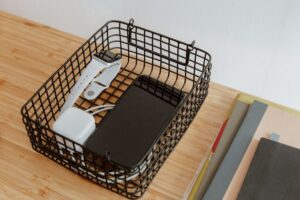
You can also keep a small basket nearby for items that do not belong in the kitchen. Place stray objects in the basket during cleanup, then return them to their proper rooms later.
Make the Routine Work for You
There is no single correct way to clean up after dinner. Some people prefer washing dishes by hand, while others rely on a dishwasher. Some households clean immediately, while others soak dishes and finish after a short break.
Choose the methods that fit your kitchen, schedule, and energy level. By planning meals thoughtfully, cleaning during natural pauses, using fewer dishes, and following a short routine, you can make dinner cleanup faster and less stressful without aiming for perfection.